
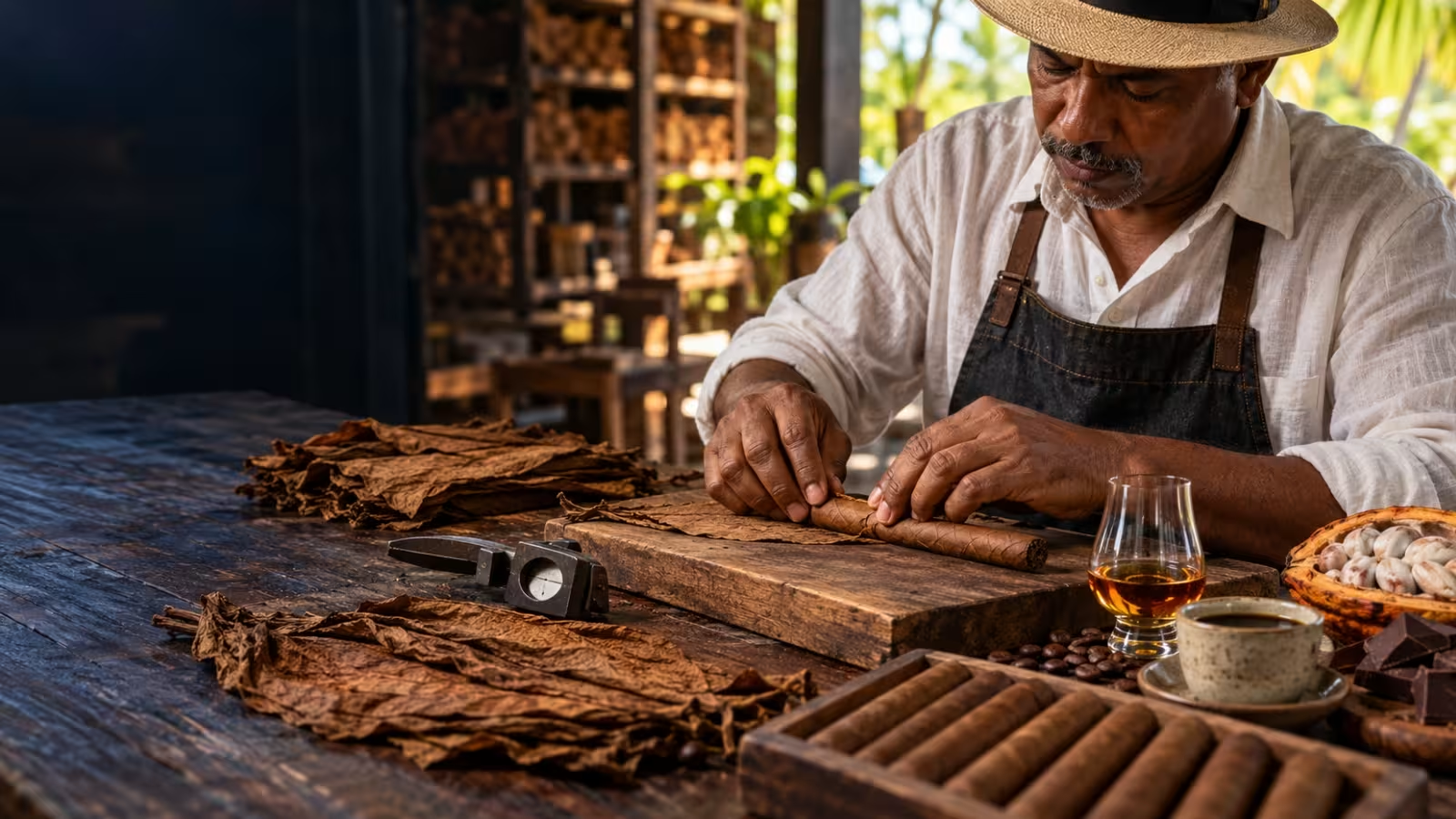
Dominican cigars are much more than a popular souvenir. They represent generations of agricultural knowledge, careful tobacco selection and skilled handcraftsmanship. For travelers interested in discovering this tradition without leaving the Punta Cana resort area, a guided cigar factory visit offers an accessible introduction—often accompanied by tastings of Dominican rum, coffee, cacao and chocolate.
This guide explains what makes Dominican cigars important, what you can expect during a factory tour in Punta Cana and how several of the country’s best-known flavors come together in one relaxed cultural experience.
Why Are Dominican Cigars So Famous?
The Dominican Republic has earned an important place in the international premium-cigar industry. According to ProDominicana , the country is the world’s leading exporter of premium cigars. That position reflects the strength of its tobacco industry, established production regions and the experience of the artisans who prepare and roll cigars by hand.
Santiago de los Caballeros and the surrounding Cibao region form the historic center of Dominican cigar production. The country’s official tourism website describes Santiago as the cigar capital of the world , home to numerous tobacco factories and annual events devoted to Dominican cigar culture.
Punta Cana is located far from the principal tobacco-growing region, but visitors do not necessarily need to travel across the country to encounter this tradition. Factory and tasting experiences in Punta Cana provide a convenient overview of the process while also introducing several other products closely associated with the Dominican Republic.
What Happens During a Punta Cana Cigar Factory Tour?
A typical Punta Cana cigar factory tour begins with an introduction to tobacco and the steps involved in creating a finished cigar. The exact presentation varies by facility, but visitors may see how tobacco leaves are selected, prepared and handled before the rolling process begins.
One of the most interesting moments is watching a trained artisan roll a cigar by hand. Although the movements can appear effortless, producing a consistent cigar requires precision and experience. The artisan must control the shape, firmness and distribution of the tobacco while protecting the outer leaf.
Guides may also explain the three primary parts of a premium cigar:
- Filler: the tobacco leaves forming the cigar’s interior and much of its flavor and strength.
- Binder: the leaf that holds the filler together and helps maintain the cigar’s structure.
- Wrapper: the carefully selected outer leaf that provides the cigar’s finished appearance and contributes to its character.
Visitors can also learn why fermentation, aging, temperature and humidity matter. The process extends well beyond rolling a tobacco leaf: careful storage helps protect the cigar’s condition before it reaches the smoker.
Do You Need to Be a Cigar Smoker?
No. You do not need previous cigar knowledge—or even an interest in smoking—to appreciate the experience. The hand-rolling demonstration, agricultural background and craftsmanship can be interesting on their own.
Smoking or sampling a cigar is optional. Travelers who prefer not to smoke can concentrate on the production process and enjoy the coffee, cacao, chocolate and other scheduled tastings. This makes the visit suitable for couples or groups whose members have different interests.
Tobacco products and samples are restricted to guests who meet the applicable legal-age requirements.
Dominican Rum: Another Celebrated Local Product
Rum is deeply connected to Caribbean history and the cultivation of sugar cane. Dominican producers create a variety of styles, from lighter mixing rums to darker and more complex aged expressions.
During a guided tasting, adult visitors may have an opportunity to compare selected samples and learn how aging, blending and storage can influence aroma, color and flavor. Specific labels and samples depend on the facility’s current program and availability.
Alcoholic tastings are available only to guests of legal drinking age, and valid identification may be required. Participation is always optional, and visitors should consume alcohol responsibly.
From Dominican Coffee to Cacao and Chocolate
Coffee and cacao introduce two additional sides of Dominican agriculture. Coffee has long been part of daily Dominican life, while cacao connects local farming with an internationally recognized chocolate industry.
During the coffee presentation, visitors may learn about roasting, grinding and preparation before sampling a small serving. The experience helps explain why the aroma and intensity of coffee can change depending on the beans and the roasting method.
The cacao and chocolate portion follows the product from its agricultural origins toward the finished flavors travelers recognize. The Dominican Republic’s official tourism resources feature several educational cacao and chocolate experiences where visitors can learn about the transformation from cacao to the final product.
These tastings make the tour broader than a cigar-only visit. Even guests who are not interested in tobacco can enjoy discovering several Dominican flavors in a single location.
Is This a Cultural Tour or a Shopping Tour?
It is best understood as a combination of a factory demonstration, product tasting and shopping visit. It is not a full-day plantation expedition or an academic museum tour.
The educational portion introduces the basic processes behind cigars and selected Dominican products. Afterward, visitors generally have time to browse cigars, rum, coffee, chocolate and locally associated gifts. Purchases are optional and are normally not included in the tour price.
This format works especially well for travelers who want a shorter activity, an introduction to Dominican craftsmanship and a convenient opportunity to find gifts without visiting multiple stores.
What Should You Look for When Buying Dominican Cigars?
If you decide to purchase cigars, take your time and ask questions. A reputable seller should be able to explain the cigar’s origin, blend, strength and recommended storage.
- Check that the wrapper appears properly maintained and is not excessively dry or damaged.
- Ask whether the cigar is mild, medium or full-bodied before selecting a blend.
- Choose a quantity that you can store correctly after returning home.
- Consider a travel case or properly sealed packaging for the journey.
- Keep the receipt and original packaging for products you purchase.
Travelers should also verify the tobacco and alcohol import allowances of their destination country before purchasing. Customs regulations vary, and a quantity allowed in one country may be restricted or taxed in another.
What to Know Before the Tour
Transportation is generally arranged from selected Punta Cana hotels and resort areas. Because pickup routes depend on the location of each guest, the exact pickup time may be confirmed after booking rather than appearing immediately on the initial reservation.
Keep your WhatsApp number active, provide the correct hotel name and wait at the designated lobby or tour meeting point before the confirmed time.
Comfortable clothing and walking shoes are appropriate. Guests interested in alcoholic tastings should carry valid identification, while a credit card or cash may be useful for optional purchases.
Demonstrations, samples, product brands and the sequence of the visit may vary according to daily operations and availability.
Who Will Enjoy This Punta Cana Experience?
A cigar factory and tasting tour can be a good choice for:
- Travelers interested in Dominican culture and traditional products.
- Cigar enthusiasts who want to observe the hand-rolling process.
- Couples and groups with different interests.
- Visitors looking for a relaxed activity away from the beach.
- Travelers searching for Dominican gifts or souvenirs.
- Guests who want to combine several tastings in one convenient visit.
It may be less suitable for travelers expecting a complete tobacco-field expedition or an intensive, full-day workshop. Understanding the format beforehand makes it easier to appreciate the experience for what it offers: a convenient introduction to Dominican craftsmanship and flavor.
Book a Punta Cana Cigar Factory and Tasting Experience
Trasla Travel offers a guided Punta Cana cigar factory tour with rum, coffee and chocolate tastings . The experience includes transportation from selected Punta Cana areas, an introduction to cigar craftsmanship, selected tastings and time to browse Dominican products.
It is an easy way to add culture and local flavor to a vacation built primarily around beaches, resorts and outdoor activities.
You can also explore our complete collection of Punta Cana tours and experiences or contact the Trasla Travel team for help organizing your vacation activities.
Frequently Asked Questions
Are cigar, rum, coffee and chocolate tastings included?
The experience includes selected presentations and tastings according to the facility’s daily program. Exact samples and brands may change. Alcoholic and tobacco samples are restricted to guests who meet the applicable legal-age requirements.
Can I join the tour if I do not smoke?
Yes. Smoking is optional. Non-smokers can enjoy the cigar-rolling demonstration, learn about the production process and participate in the coffee, cacao and chocolate portions of the visit.
Can children participate?
Participation requirements should be reviewed on the tour page before booking. Children and underage guests cannot participate in tobacco or alcoholic tastings, even when they are permitted to accompany an adult.
Is hotel transportation included?
Transportation is available from selected Punta Cana hotels and resort areas. Your exact pickup time and meeting instructions will be confirmed according to your accommodation and the scheduled route.
Can I purchase cigars and other products?
Visitors normally have time to browse available cigars, rum, coffee, chocolate and locally associated products. Purchases are optional and are not included in the tour price. Check the customs regulations of your destination country before buying tobacco or alcohol.