The Colonial Zone
Walk through a UNESCO-listed historic center filled with landmark architecture, plazas, museums, restaurants and some of the most significant early colonial sites in the Americas.

SANTO DOMINGO AT A GLANCE
Santo Domingo offers a side of the Dominican Republic that feels completely different from its famous resort coastlines. As the nation’s capital and largest urban center, the city combines extraordinary colonial heritage with contemporary Dominican culture, restaurants, museums, shopping, nightlife and everyday Caribbean city life.
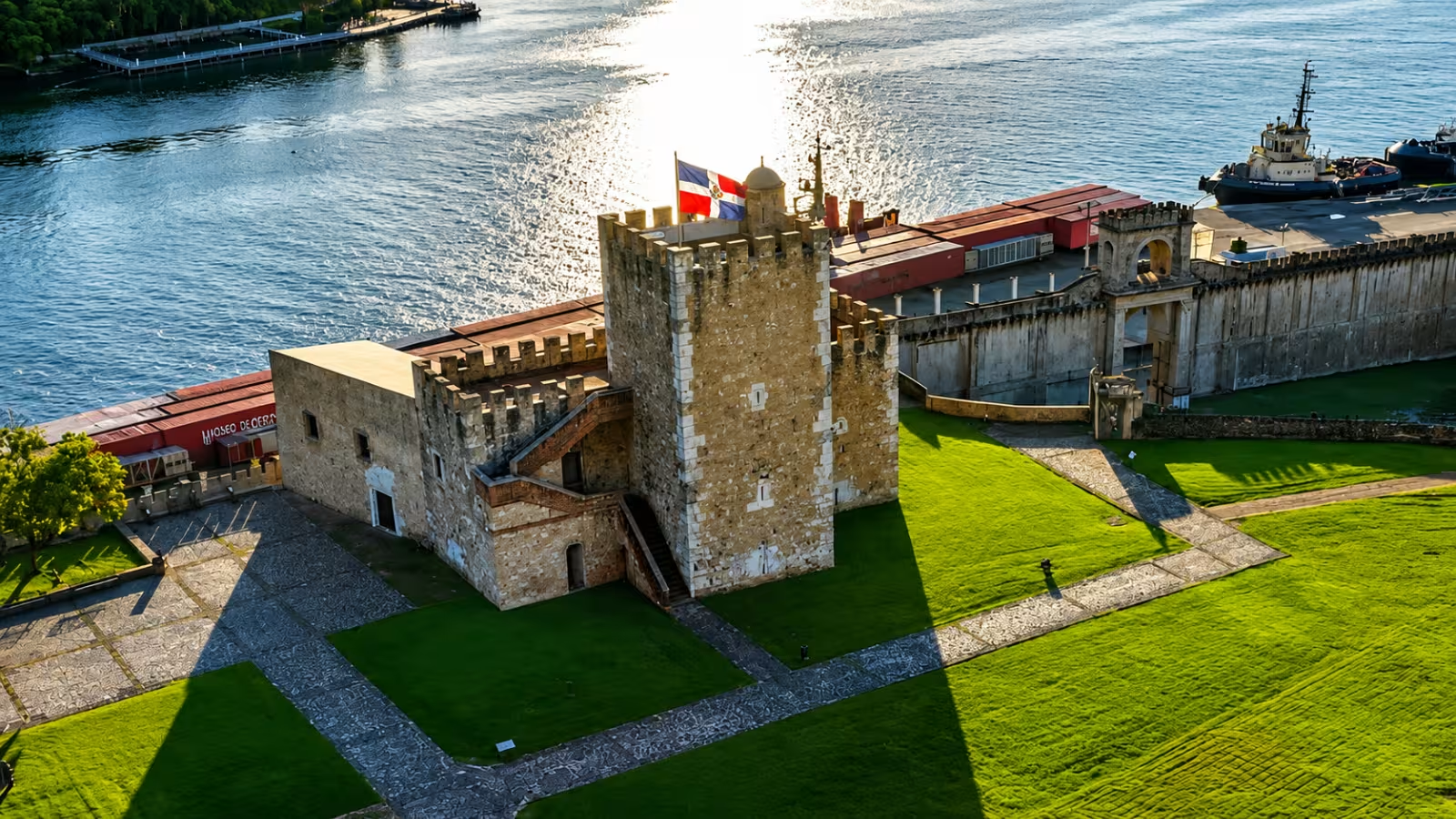
At the heart of the destination is the Colonial Zone, a UNESCO World Heritage Site set beside the Ozama River. Its stone streets, plazas and historic buildings preserve an exceptional concentration of early colonial architecture. Travelers can explore landmarks such as the Catedral Primada de América, Alcázar de Colón, Fortaleza Ozama, Calle Las Damas and Plaza España while moving easily between museums, cafés, boutiques, restaurants and lively public spaces.
Santo Domingo, however, is not simply an open-air history museum. Beyond the Colonial Zone lies a large and energetic modern capital. Contemporary neighborhoods offer sophisticated dining, shopping centers, theaters and entertainment, while the Malecón stretches along the Caribbean Sea and provides one of the city’s most recognizable waterfront settings.
Nature also appears in unexpected places. Los Tres Ojos National Park features a remarkable system of limestone caves and clear freshwater lakes within the metropolitan area. The National Botanical Garden and Mirador Sur offer additional green spaces, creating opportunities to balance cultural sightseeing with outdoor experiences.
This urban character is what separates Santo Domingo most clearly from Punta Cana, Cap Cana and Uvero Alto. Those destinations are built largely around beaches and resort stays. Santo Domingo rewards travelers who want to explore streets, monuments, food, art, history and contemporary Dominican life. It is equally different from Bayahibe and La Romana, where Caribbean boating, resorts and marine activities play a much larger role.
The city works particularly well for couples, families, history enthusiasts, food lovers and travelers interested in culture. It can be visited as a dedicated city stay or as a full-day excursion from eastern resort areas, although travel time from Punta Cana makes an early departure and careful planning important.
Las Américas International Airport is the principal international gateway, located east of the city. Private transfers are especially convenient for travelers arriving with luggage or staying in the Colonial Zone, Malecón area or the modern business districts.
For visitors who want to understand the Dominican Republic beyond its beaches, Santo Domingo is essential. Few destinations combine historic architecture, local culture, modern city life and Caribbean identity so naturally in a single experience.
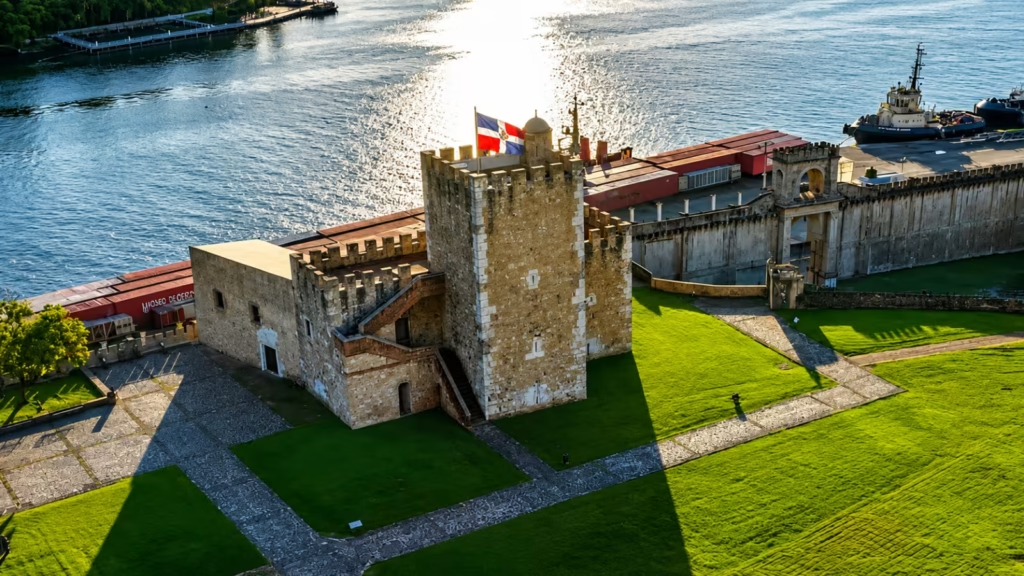
Walk through a UNESCO-listed historic center filled with landmark architecture, plazas, museums, restaurants and some of the most significant early colonial sites in the Americas.
Discover Dominican cuisine, museums, theaters, shopping and contemporary neighborhoods that reveal the energy of the country’s capital beyond its historic center.
Explore unexpected natural spaces such as Los Tres Ojos, the National Botanical Garden and the Caribbean waterfront along the Malecón.



EXPLORE MORE DESTINATIONS
From famous resort beaches and luxury marinas to quiet coastlines, island gateways and nature-rich landscapes, discover six destinations that reveal a completely different side of the Dominican Republic.
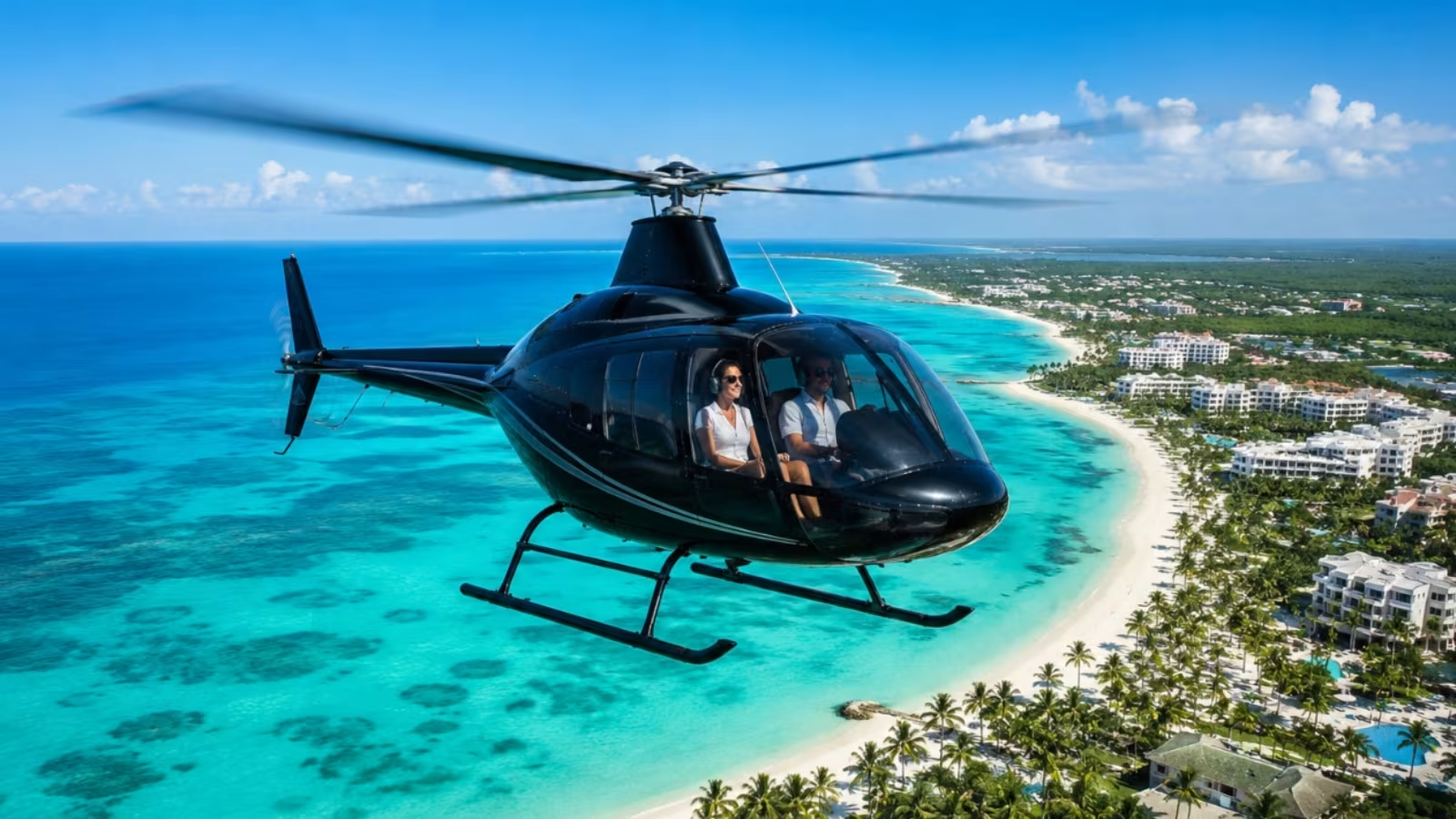
The country’s best-known resort region offers expansive beaches, major hotels, nightlife, dining and an exceptional variety of tours, watersports and outdoor adventures.
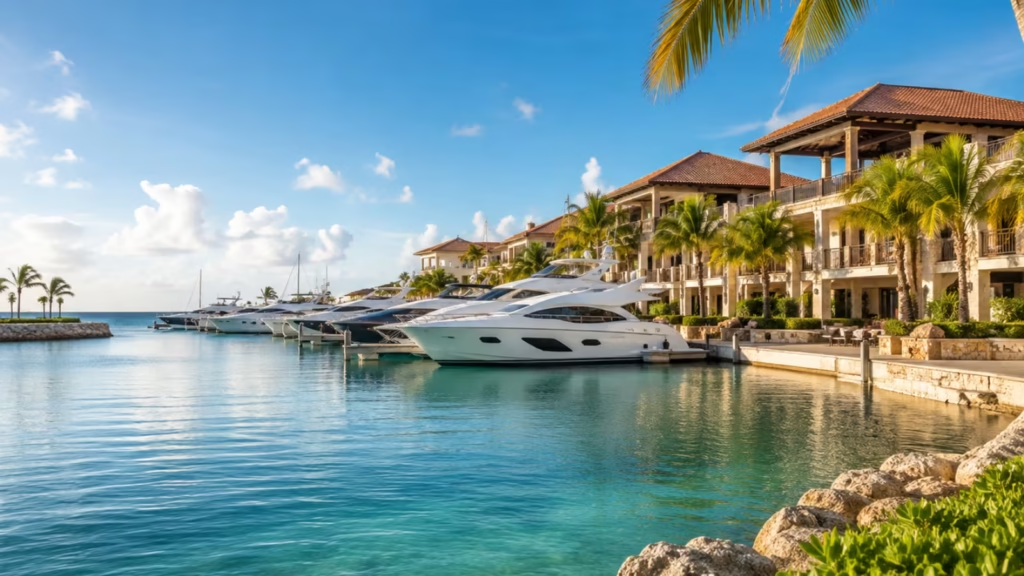
A private luxury destination built around Juanillo Beach, marina life, championship golf, premium resorts and carefully curated outdoor experiences.
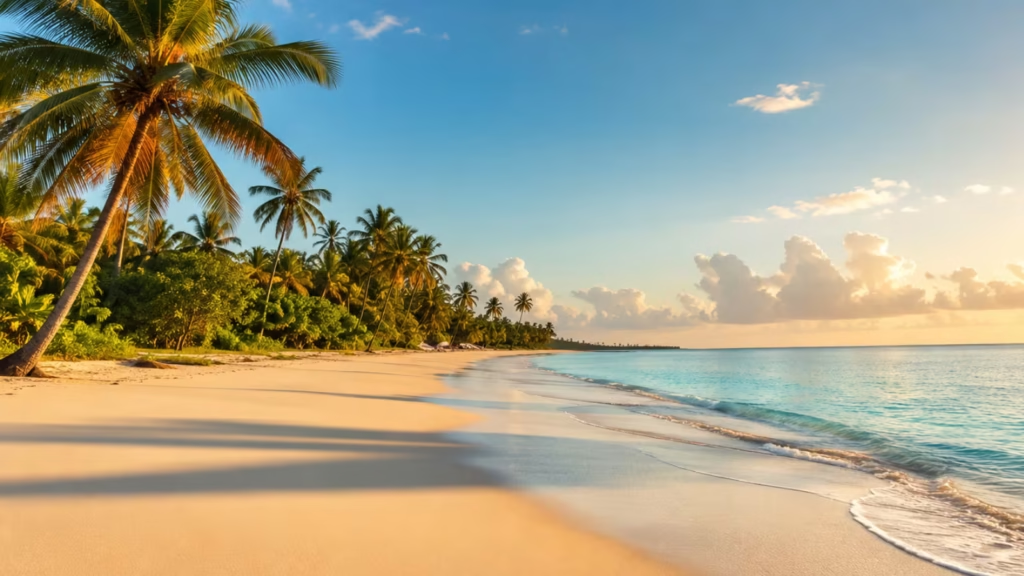
A quieter northern resort coast where palm-lined beaches, spacious properties and a slower vacation rhythm create an easy escape from busier Punta Cana.
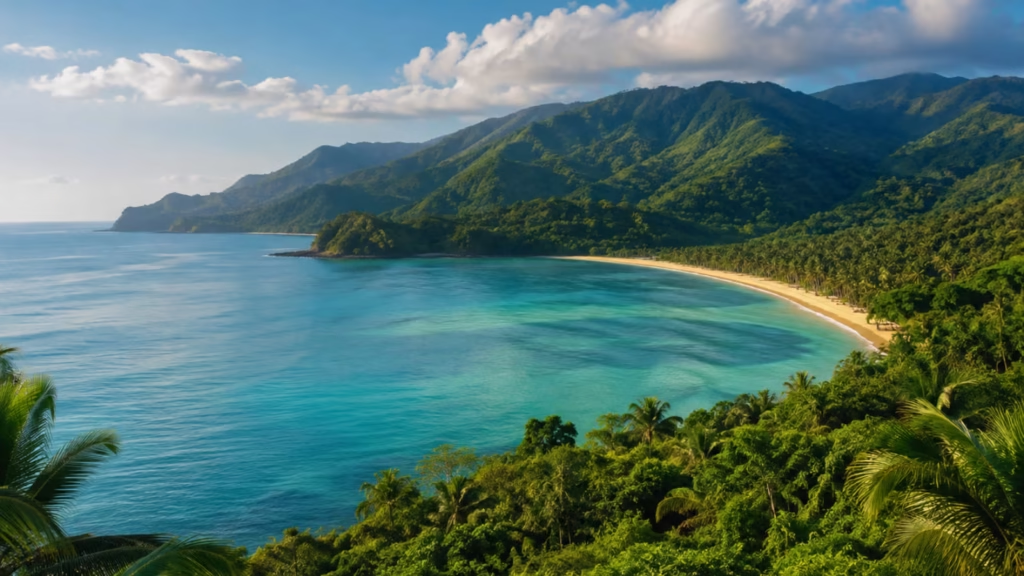
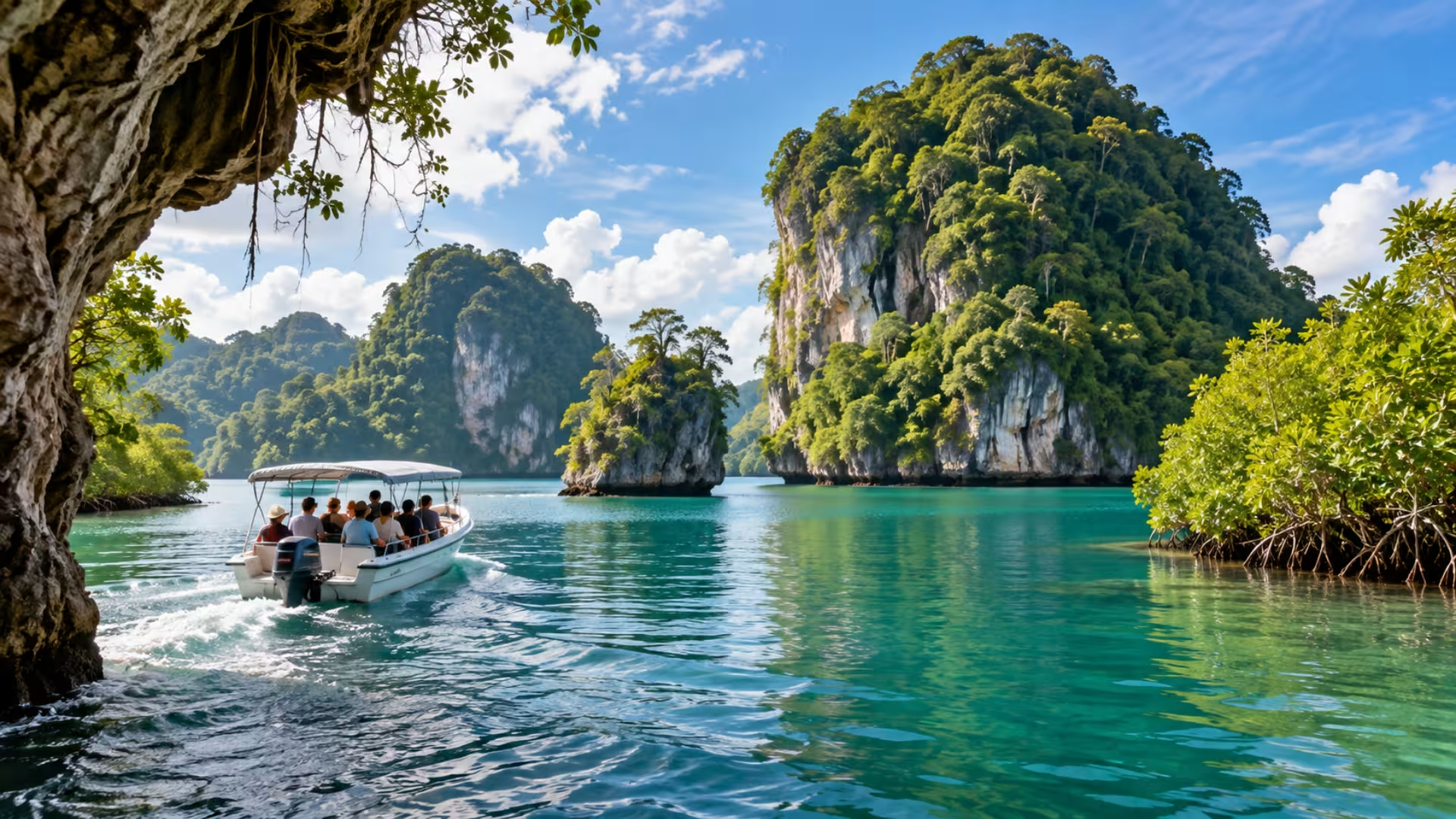
A dramatic northeast landscape of golden beaches, tropical mountains, lagoons, waterfalls and nature-driven adventures far from the capital’s urban rhythm.
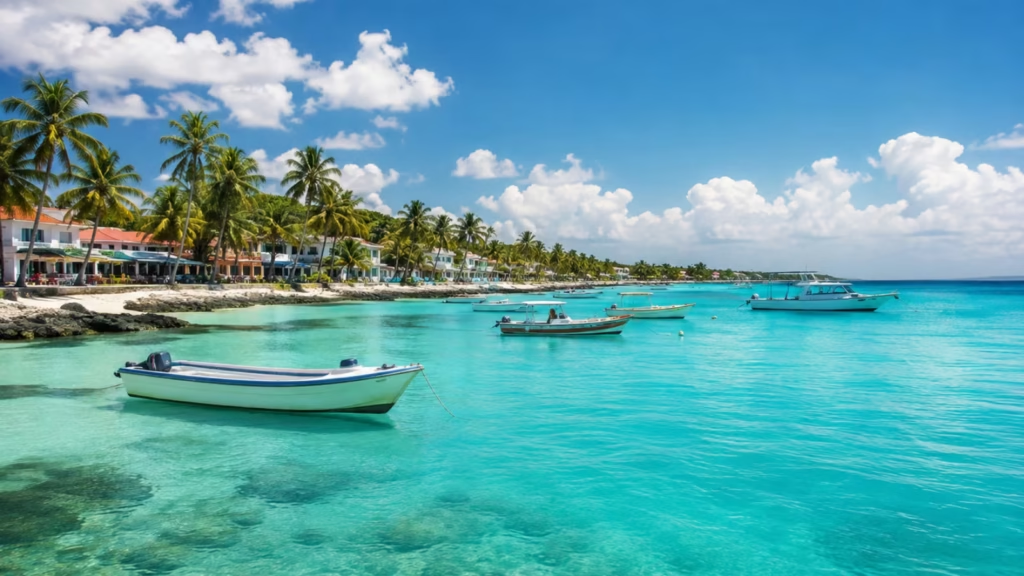
A relaxed seaside village where clear Caribbean water, diving and boat departures to Saona Island define a distinctly marine-focused getaway.
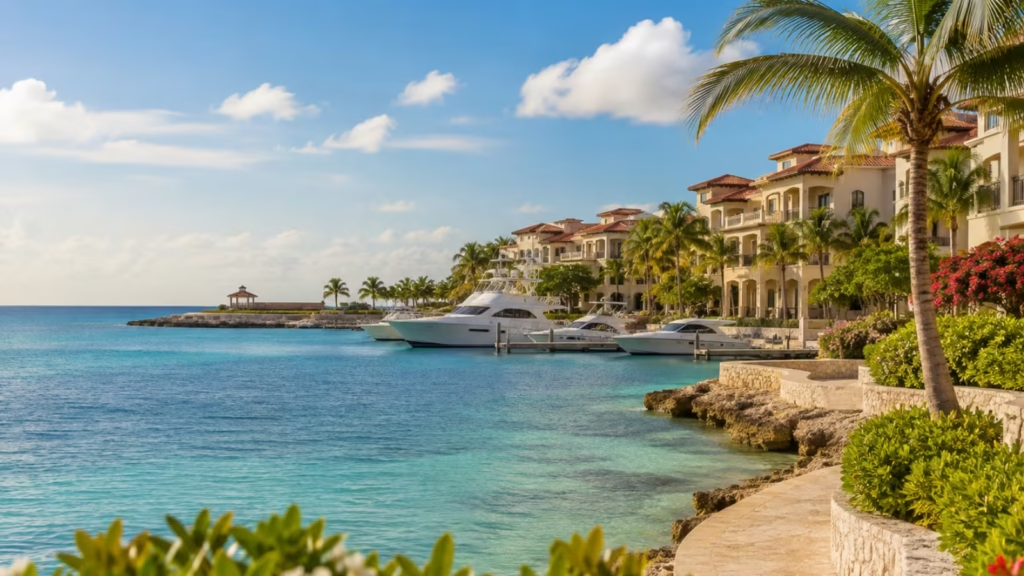
A refined southeastern destination combining championship golf, luxury resorts, marina life and the unmistakable cultural setting of Altos de Chavón.